Sometimes, the pain originated by emotional abuse is dull, consistent and makes a fog of your brain. You know you are sad and miserable, but can’t pinpoint exactly what would you like to have changed in your spouse’s behavior.
If you wish to consider a bit of assertive behavior, you need get a clear idea of what is irritating you. If he/she is ignoring you in front of your friends, or puts you down in front of your family with sarcastic comments, that is clearly a hostile behavior that needs addressing. What is the behavior that you want, instead of this? Acceptance, care, attention? Be clear on what you want.
Also, be clear and firm on your personal rights as a dignified person; and firmly believe that your rights, needs, and dignity are just as valid and important as anyone else’s, regardless of age, power, role, or gender.
You need to define a change that you need from someone, and/or to set limits with someone who’s behavior is unacceptable or hurtful to you.
b) Begin describing the negative behavior in clear words:
“When you make sarcastic and demeaning jokes about me in front of my family, as you did last night at my mother’s birthday party…”
then state the impact on you: “I feel ignored and rejected.”
then declare that you want a change: “and I need you to (agree to make a specific behavior change: “remember that you are my husband and should not be attacking me in public. If there is something you want improved, talk to me in private.)”
Your purpose is exactly not to blame, but to deliver information about the impact of their behavior to the offending party.
Messages centered on the “I” pro noun, delivered calmly, with steady, non-apologetic eye contact – have a better chance of being received as information, and not criticism.
The continued use of this response is necessary to provide the abusive person with a steady feedback on the impact of their behaviors…..which should extinguish them, if there is a willingness to change.
Are you interested in reading more about assertive behaviors? Here is more emotional abuse information. Also, remember that you have other resources to deal with emotional abuse
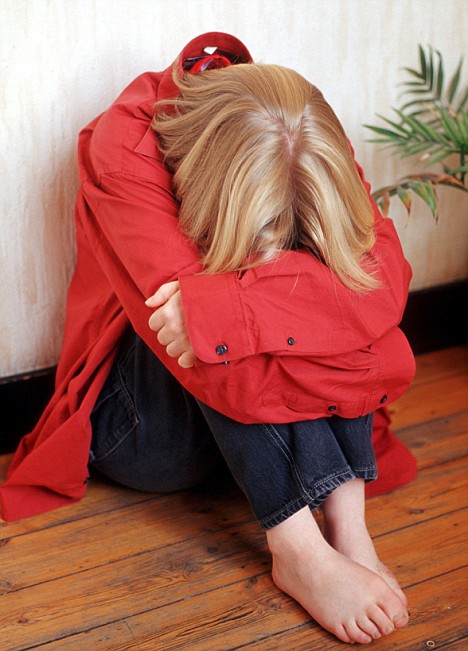
 One of the effects of emotional abuse is hopelessness and depression. It depletes almost all of your body’s energies, leaving you helpless and hopeless. As you may have noticed, abuse also clouds the clarity of your thoughts, keeping you confuse all the time. There is a confusion, and it is between the supossed role of your partner, chosen to be your loving husband, and his actual behavior which is clearly abusive. Your heart tells you that this is the person selected to share your life; while your mind is protesting the constant humiliation and isolation he subjects you to.
 Can giving someone the silent treatment be considered a form of abuse?