Tag Archives: anger

How to stop emotional abuse in marriage

Too many times in life, there is a friction between us and others, and a deep sense of frustration when our basic emotional needs are not being met.

However, sometimes we deal with a person who surprises us: when we are able to talk with them, express needs, and negotiate positive solutions, we are shocked and think to ourselves, “Why hasn’t this person told me this before? It would have been so easy to satisfy their request, if only I had known it!”

How does that exchange of needs and satisfaction begin? With assertion! Assertion is the art of saying what you need, believe, and deserve in a way that other people can hear you clearly.

This ability is essential for if you want to stop emotional abuse in marriage, and improve an abusive marriage. Unhealthy alternatives to assertion are:

1.    Submission – letting other people’s needs come always before yours, whether just or unjust. This happens if you accept disrespectful treatment from a loved one for some time, and breeds deep resentment;

2.    Aggression – forcing your needs on another person without their agreement.

Both are lose-lose options, meaning that both sides, even the “winning” one will get less from the relationship. These options build anger, hurt and resentment instead of respect and love.

The proper way to assert your needs and desires is this:

1.    Create a clear idea of exactly what behavior is irritating you, and why. If he/she is not speaking to you in front of your friends, that is clearly a hostile behavior that needs addressing. What is the behavior that you want, instead of this? Acceptance, care, attention? Be clear on what you want.

2.    You need to define the behavioral change that you need from this person or to set limits with someone whose behavior is unacceptable or hurtful to you.

3.    Don’t back down on your personal rights as a dignified person; stand firm in your belief that your rights, needs, and dignity are just as valid and important as anyone else’s, regardless of age, power, role, or gender.

How does assertion work?

1.    Begin describing the negative behavior in clear words:

“When you make jokes about my cooking in front of my friends, as you did last night at Alice’s party…

2.    State the impact on you:

“I feel put down and unappreciated.”

3.    Declare that you want a change and to agree to making the change:

“Remember that we are each other’s support system and we don’t criticize the other in public.”

If you want to stop emotional abuse in marriage in a healthy way, remember that your purpose is not to blame, but to deliver information about the impact of the behavior. Messages centered on the “I” pro noun, delivered calmly and with steady, non-apologetic eye contact have a better chance of being received as information, and not criticism.

The victim of emotional abuse needs to provide the offending person with a steady feedback on the impact of their behavior for two reasons. It is information necessary to change, and to building up self-esteem. Assertion greatly assists an emotionally abused woman, because it gives her the opportunity to express and defend her own needs in an unequivocal way. In this way, you deal with an emotional abuse marriage.

Nora Femenia, Ph.D is passionate about supporting women’s recovery from emotional abuse once and for all. Nora has created a powerful set of tools for helping women break out of the mind-set that keeps them in a toxic relationship by first discovering unconscious beliefs and family blueprints.

To know more about her latest book “Recovering From Emotionally Abusive Relationships” please visit http://www.healingemotionalabuse.com
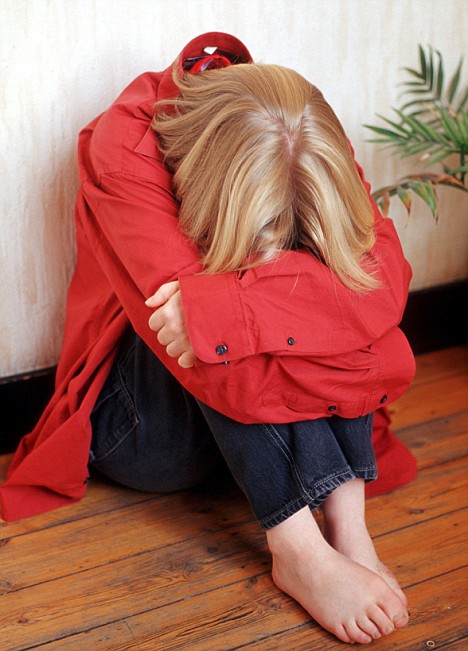
Healing from Emotional Abuse: How to take Up Courage to Heal and Live to the Fullest

hoto By Pierre Rousseau / Rex Features DEPRESSED TEENAGER
photo By Pierre Rousseau / Rex Features DEPRESSED TEENAGER

Similar to other types of abuse, emotional abuse is something you should not ignore.  Every day thousands of women are reported being physical abused by their husbands.  However, the agony of emotional abuse was and is rarely mentioned. Do you have the courage to heal?

Due to the complexity of emotional abuse, emotional abuse victims will stay much longer in an abusive relationship than the physically abused person. Fortunately, getting over and healing from emotional abuse is relatively possible.  All it takes is courage to heal,  time and perseverance.


In an abusive relationship, your abuser will isolate you from your friends and family.  Generally, emotional abusers want only one thing from you: total control.

It is not love that they need but it is the power of domination. Emotional abusers can make you feel useless and unworthy. Though they won’t admit it, they are individuals in fact insecure of themselves.  They want to control you so that you won’t leave them.


The abuse usually starts after the marriage.  Prior to that, most abusers are loving, caring, and affectionate individuals.  The torture begins after the abuser isolates you from your friends and family.

A typical abusive relationship consists of the dependent and dominant party. Abusers effectively dominate the lives of their victims by making their victims dependent on them. As a victim, you will not have enough courage to fight back because of fear of his escalating anger, and possible retaliation.


In addition, you are barred from joining activities external to the couple.  You also need the permission and approval from your abuser before you are allowed to be doing things independently. As a consequence, healing from emotional abuse may take time and effort. In fact, getting out of it alive is very complicated as you are having low and lower self esteem and confidence.

Most victims cannot leave their abusers due to the constant fear they feel and the feeling of being unlovable. Some won’t leave because they are still hopeful that the relationship can be fixed.  Well in fact, giving false hope is an abuser’s manipulative strategy.


Healing from emotional abuse starts first with the sheer realization of your situation.  Realizing that you are a victim of an abuse will put you on your feet and build up courage to defend yourself. You can only build courage to fight back if you see how the relationship is making you deeply unhappy.

You cannot heal simply by staying in an abusive situation which is not addressed and left to run its course.  However if your partner is willing to seek professional help, it will be your decision to stay or not to stay, according to what you see about the possibility of him changing.


The mental and emotional effects of abuse typically linger afterwards.You can cope easily if you surround yourself with your friends and family, specifically the people who love you and make you feel worthy and loved.

Another benefit of this, you will be well protected from your abusive husband as most of the times abusers stalk their victims after they abandon the unhealthy spousal situation.


Do something that you love and enjoy, every day.  Start living your life the way as you want it.  Pick a hobby that will enrich and educate you.  Build up your confidence and self-esteem by participating in self development programs accessible around you, and keep doing them regardless the demands of your ex-partner about your return.


Argue and Fight: Can The Silent Treatment Go Too Far?

Can giving someone the silent treatment be considered a form of abuse?

Conflict Coach, Melody Brooke shares her thoughts…

Ask Dan And Jennifer – http://www.askdanandjennifer.com
Melody Brooke – http://www.ohwowthischangeseverything.com/

Duration : 0:2:21

Continue reading Argue and Fight: Can The Silent Treatment Go Too Far?